Showing posts with label commercialisation. Show all posts

Saturday, February 23, 2019

Grab is the 2nd Most Innovative Company in 2019

Apple was the most innovative company in Fast Company's most innovative companies for 2018. This year, Grab is ranked 2nd and Apple is ranked 17th. The top spot goes to Meituan Dianping, a Chinese company that offer multiple service in a platform such as food, hotel stays and movie ticket.

Fast Company stated that Grab is highly rated due to its grand expansion out of ride hailing into food delivery, travel booking and e-wallet.

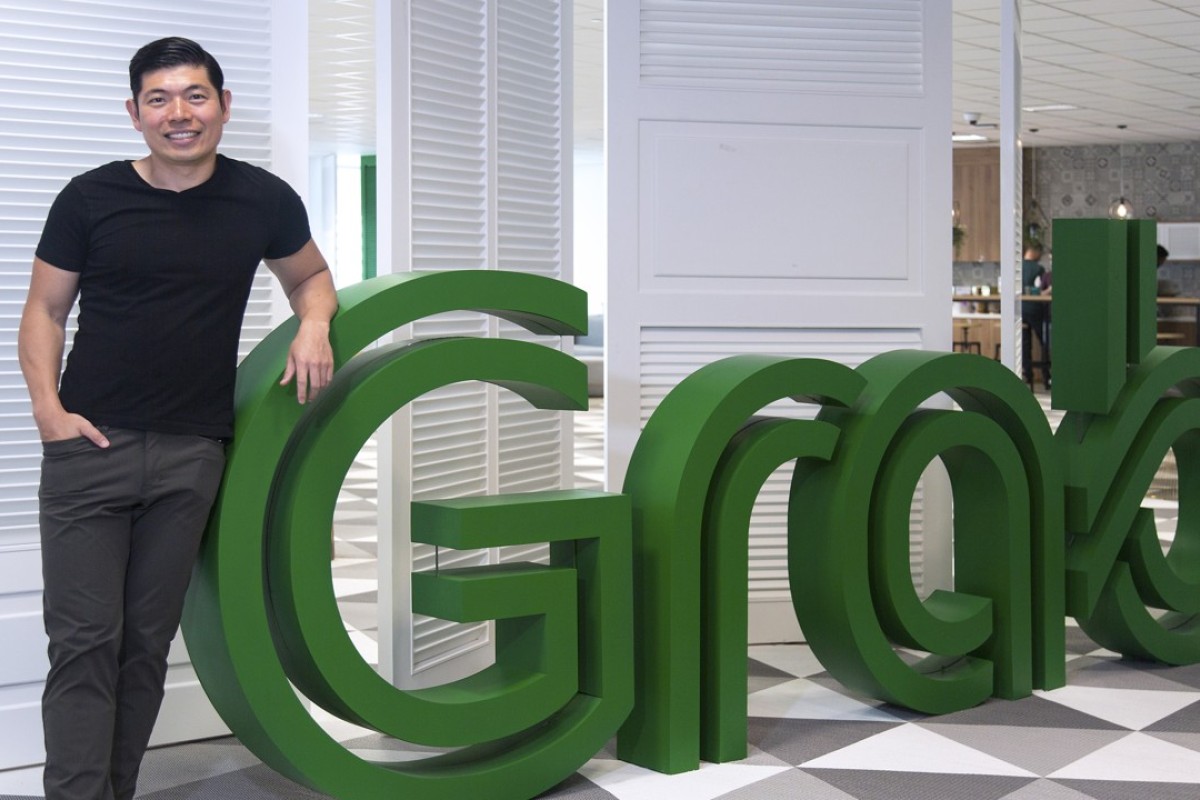
Anthony Tan, founder of Grab / South China Morning Post


Grab, formerly known as MyTeksi, was conceived when Anthony Tan and Hooi Ling were attending Harvard MBA class, according to South China Morning Post. Uber and Didi Chunxing were the dominant ride hailing companies at the time. Anthony and Hooi Ling founded that passenger safety is a concern and launched Grab to address this issue.

Grab allowed passengers to share the progress of rides with friend or family member.

Grab has fought Uber to lead Southeast Asia's ride hailing market. According to Forbes, Grab is worth over US$10 billion.

In South China Morning Post, Anthony expressed his gratitude to his mother for supporting and investing several millions into the venture, even though his father, the president of Tan Chong Motor dismissed the idea.

Currently, Grab is backed by Softbank, Didi Chuxing, HSBC and Toyota.

Monday, July 2, 2018

Call for review of (IP) tax incentives

SMART Glove Corp Sdn Bhd, one of the pioneer manufacturers of nitrile medical gloves, says the government should review current tax incentives to protect their intellectual property (IP) rights.
“We urge the government to consider tax incentives for manufacturers to register patents because the process to protect IP rights can be time consuming and costly,” said Smart Glove executive chairman Foo Khon Pu.
“I believe this is one of the key reasons why a lot of research and innovation is not commercialised. There is no specific tax incentive in Malaysia for registering IP protection on a worldwide basis,” he said.
“There is also no government funding for commercialisation of research in pilot testings and clinical trials,” he told NSTP business in an interview recently.
Foo said at the moment the pioneer status for manufacturers is only for promoted products.
“It doesn’t incentivise manufacturers to invest in a new product if it is not classified as a promoted product. Currently, nitrile gloves are not considered as promoted products,” he said.
“It is a long and winding process to bring an idea to the drawing board and eventually commercialise it. It’s costly because experimentation involves heavy upfront investments,” he said.
“When glove manufacturers develop products such as gloves, specifically for chemotherapy sessions and anti-microbial gloves, they are not accorded tax incentives unless accepted as promoted products,” said Foo.
Smart Glove’s production capacity is at five billion pieces of nitrile medical gloves per year, and is set to hit 7.5 billion by next year.
“We ’re investing heavily, as much as RM150 million in autostripping and robotics packing that involves precision engineering to produce an additional 2.5 billion pieces per annum,” he said.
Foo said as the medical glove industry moves upthe value chain, manufacturers will have to “sell better and not just sell more”.
“We were able to survive against the big players because we differentiated ourselves as we produce specialty gloves.
“The premium-priced gloves are customised to clients’ needs. We have to constantly innovate to stay ahead of the competition,” he said.
In July 2007, United States firm Tillotson filed complaints, alleging that more than 200 companies were importing and selling nitrile gloves in the US that infringed on the company’s patent.
Smart Glove and US-based Henry Schein challenged Tillotson nitrile glove litigation in the US International Trade Commission (ITC) and subsequent appealed to the Court of Appeals for the Federal Circuit.
Since the dispute concerned nitrile glove exports, other glovemakers in Malaysia also participated to challenge Tillots on’s patent infringement allegation.
The administrative law judge in ITC concluded that when Tillotson amended the claims through a reissue application, filed more than two years after the grant of the original patent, it improperly enlarged the scope of the claims, rendering the patent invalid.
“Tillotson sought to overturn the decision. As the case went up to the Supreme Court, our anxiety levels went up, too. We pressed on because we had no other choice. We had come so far, we cannot turn back,” said Foo.
“It was just me, my lawyers from the US and Malaysia, slugging it out at the courts in Washington D.C. We studied the patent process thoroughly and spotted some discrepancies in Tillots on’s patent. Finally, the Supreme Court upheld ITC’s decision and justice was served,” he said.
Foo said if Smart Glove had lost its case against Tillotson, ITC would have been entitled to slap royalty fees on all nitrile medical gloves entering the US, including local sales.
“We estimated that if Tillotson had won its case, it would have had the right to collect a few hundred million US dollars from all nitrile medical glove manufacturers here.
“Manufacturers would not have been able to grow nitrile glove exports to the current RM10 billion a year,” said Foo.
This year, the Malaysian Rub ber Glove Manufacturers Association reportedly said its members, including Smart Glove, were hopeful of achieving more than 10 per cent export growth to RM18 billion, of which 60 per cent is that of the nitrile variant.

THE Malaysian Investment Development Authority states that eligibility for Pioneer Status and Investment Tax Allowance is based on high value-adding, technological usage and industrial linkages.
Pioneer Status A company granted Pioneer Status enjoys a five-year partial exemption from income tax payment. It pays tax on 30 per cent of its statutory income, with the exemption period commencing from its production day (defined as the day its production level reaches 30 per cent of its capacity).
Unabsorbed capital allowances and accumulated losses incurred during the pioneer period can be carried forward and deducted from the post pioneer income of the company.
Investment Tax Allowance As an alternative to Pioneer Status, a company may apply for Investment Tax Allowance ( ITA) .
A company granted ITA is entitled to an allowance of 60 per cent on its qualifying capital expenditure (factory, plant, machinery or other equipment used for the approved project) incurred within five years from the date the first qualifying capital expenditure is incurred.
The company can offset this allowance against 70 per cent of its statutory income for each year of assessment.
Any unutilised allowance can be carried forward to subsequent years until fully utilised. The remaining 30 per cent of its statutory income will be taxed at the prevailing company tax rate. - New Straits Times

Wednesday, May 30, 2018

With recipes, the key to making millions is not about the food

In 2017, the team from Sir Kensington’s made an estimated US$140 million (RM558 million) for their ketchup recipe when they sold it to Unilever.
The same year, Nathan Myhrvold, a technology expert-turned-experimental chef, released the five-volume Modernist Bread (Cooking Lab, US$560), co-authored by Francisco Migoya. It’s Myhrvold’s latest juggernaut; he co-authored the best-selling Modernist Cuisine: The Art and Science of Cooking (Cooking Lab, US$625) in 2011. Before that, he was the chief technology officer at Microsoft.
That was a good year for big-ticket food projects. But it came when recipes are being continually devalued as they flood the internet, free of charge. Social media has made it ever easier for people to copy the dishes of others. It makes me wonder: How can someone monetise a recipe?
Myhrvold, who is starting work on his next opus, Modernist Pizza, has strong feelings about recipe ownership and the money it represents. If music and poetry can be copyrighted and monetised, he thinks singular recipes should be, too.
“There is certainly a comparison between recipes and computer code,” he tells me over the phone. “A recipe for a distinctive product is like code, which is protected by copyright.”
There’s one problem: In the US, most recipes aren’t legally protected by copyright. That’s because they essentially contain only ingredient names and proportions.
“Copyright law does not protect merely utilitarian articles, ideas, facts, or formulas. Since food is a useful article, copyright law will apply only if the food incorporates highly creative features that are separable (either physically or conceptually) from the food’s utilitarian features,” says Natasha Reed, copyright expert at New York’s Foley Hoag LLP law firm, at Fine Dining Lovers.
Abroad, it’s generally not much different: “Such an instruction is neither original nor individual and does not qualify as a work of art,” explains Martin Berger of the Swedish Patent and Registration Office.
So is there a case for the monetising of recipes? Myhrvold draws analogies from his former technology job — and decries the blatant plagiarising of dishes.
Recipes as computer code
Myhrvold tells the story of putting fonts into the Windows programme when he was at Microsoft decades ago.
“There are thousands of different font designs. They are a collection of numbers that plot the design. According to a court ruling, they’re not protected, though the font names are,” says Myhrvold. “The coordinates of the points, which you’d put into a computer programme like proportions in a recipe, are not protected. It’s messed up, but it’s the law.” 
Similarly, consider the Cronut. The technique and recipe for frying up a donut with croissant-like layers aren’t protected, but pastry chef Dominique Ansel did trademark the name and has aggressively pursued knockoffs. Pepperidge Farm took Trader Joe’s to court over alleged infringement of its Milano cookies. And Magnolia Bakery, famous for its cupcakes, was able to trademark the jaunty swirl of its frosting.
Trademarks, though, are about protecting a brand, not actively bringing in money (unless you consider litigation and damages an active revenue source). Myhrvold points to patents as a potential way to monetise a recipe — although, for most chefs, that’s impractical. Patenting a recipe costs thousands of dollars, and it must qualify as unique and useful. For example, tofu has a lot of patents because the process of coagulating it is unusual. There are also many yogurt patents. “If you’re Chobani, you want to protect your formulations,” he says. 
“If I say, ‘I’m going to patent my carrot cake recipe, and it’s special because I add mace and red pepper’, it’s unlikely to get that patent,” says Myhrvold. “It’s in the realm of what cooks do. But a novel chemical compound that no one’s used before, or in this way — you could get a patent.”
In other words, chefs are powerless when it comes to protecting their creations, says Myhrvold.
He points to a case a dozen years back, when an Australian cook worked around the world in top kitchens. He then opened a restaurant in Melbourne, where he served exact replicas of such dishes as Wylie Dufresne’s “shrimp noodles”. The food world erupted, but there was no legal recourse: The dishes weren’t copyrighted.
As Exhibit A for what happens when you can’t copyright recipes, Myhrvold cites Jean-Georges Vongerichten’s legendary molten chocolate cake, first made in 1986 by accident and now served around the world. (While making individual chocolate cakes for a party of 500, Vongerichten neglected to check the oven settings. He thought the mistake had ruined his restaurant; instead he got a standing ovation.)
“Jean-Georges’s recipe dominated because it redefined chocolate cakes, and all you have to do is under-bake it. If he had [been able to copyright] that recipe, and got a nickel for every 100 of those served, he would own all the buildings where his restaurants are,” says Myhrvold.
Multimillion-dollar recipes
The key to raking in millions on a recipe, I come to realise, is that it’s invariably not about the recipe.
“From the beginning, we password-protected our original recipes in text files,” says Sir Kensington’s Scott Norton, who started making ketchup with Mark Ramadan as a college project. “We absolutely saw them as our own, original work.”
Still, he admits, “Had we not started the company and proved the value in them, no one would have come along, looked at the recipes alone, and seen them as anything of tremendous value without traction in the market. Sir Kensington’s team and reputation has brought us to where we are far more than our ever-evolving recipes have.”
Take Singapore’s US$3-a-plate chicken-and-rice dish that has been valued at US$2 million. Liao Fan Hong Kong Soya Sauce Chicken Rice & Noodle has a Michelin star, but the true value of its renowned recipe is more than what’s in hawker Chan Hon Meng’s head.
“A street hawker recipe is dependent on the reputation it comes with, not just the sauce and techniques,” says KF Seetoh, an Asian-food tour expert who has taken Anthony Bourdain through Singapore’s markets. “Although many look simple, there are many little touches an iconic hawker puts in their dishes that more than meets the eye. It’s techniques, not just recipes, like mass production methodology in a tiny kitchen.”
Seetoh estimates that hawkers recipes can command from US$250,000 to many millions, provided they can carry the popular lustre to whomever might buy it. The most expensive hawker recipe known today in Singapore is Kay Lee Roast Meats, whose honey pork and roast duck recipes sold for more than US$5 million. “A few hundred portions a day at a humble US$4 to US$6 price, in a low-rent space with minimum manpower, is very sexy for investors,” Seetoh says. — Bloomberg

Monday, December 11, 2017

LES Malaysia New Office Bearers 2017/2018

On 29 Sep, 2017, the Annual General Meeting of the Licensing Executives Society Malaysia was held. The following executive officers were elected:

President: Michelle Loi
Vice President: Anita Kaur
Secretary: Dennis Tan
Assistant Secretary: Sri Sarguna
Treasurer: Jillian Chia
Committee members: Lim Pui Keng, Eddie Poh, Suaran Singh, Chong Tze Lin

LES Malaysia is the national section of LES International, an organization that advances the business of intellectual property globally.

Monday, October 16, 2017

BlackBerry patent licensing director says he has left company

A key attorney executing BlackBerry Ltd’s (BB.TO) patent licensing strategy has left the company, the second recent departure from the team tasked with making money from the Canadian company’s intellectual property.

Victor Schubert, who was a licensing director for BlackBerry, told Reuters in a brief LinkedIn message that he was no longer with the company. He did not say when he left or why.

Monetizing the company’s intellectual property is a key part of Chief Executive John Chen’s plan for turning around the company whose revenues have declined for six straight years as sales of its once ubiquitous smartphones have tumbled.

Company representatives did not respond to requests for comment on Schubert. Two switchboard operators at the Canadian company said his name was not in a global employee directory.

News of his exit follows the recent departure of Mark Kokes, who lead BlackBerry’s overall patent strategy. Kokes last month joined a health technology company.

Schubert joined BlackBerry in March 2015, according to his LinkedIn profile, as the company was embarking on a major push to boost licensing revenue.

BlackBerry is trying to persuade other companies to pay licensing royalties to use its trove of some 40,000 global patents on technology including operating systems, networking infrastructure, acoustics, messaging, automotive subsystems, cybersecurity and wireless communications.

Schubert has created and executed patent-licensing programs for at least four companies, including BlackBerry, dating back to 1992, according to his LinkedIn profile. It lists portfolio mining, patent valuation and negotiating patent sales as areas of expertise.

He was due to represent BlackBerry at a Seattle-area patent conference next month to discuss how operating companies can make money off their intellectual property, according to an agenda posted on the conference website in August. He is no longer listed as a panelist. - Reuters

Friday, June 9, 2017

10 Most Valuable Global Brands

Brand Finance, a business valuation consultancy, have published their 2017 report on most valuable global brands. Here are the top 10 brands ranked:


1. Google US$109 bil


2. Apple $107 bil

3. Amazon $106 bil

4. AT&T $87 bil

5. Microsoft $76 bil

6. Samsung $66 bil

7. Verizon $66 bil

8. Walmart $62 bil

9. Facebook $62 bil

10. ICBC $48 bil

Google have overtaken Apple as the most valuable brand. Google remains unchallenged in advertising income.

Apple was the most valuable brand for the past five years, according to the report. Apple's brand value have dropped due to unexciting new product launch such as Apple Watch. Apple and Samsung is also facing pressure from Chinese brands such as Huawei and Oneplus in the smartphone market.

Six out of the top ten brands are owned by technology companies: Google, Apple, Amazon, Microsoft, Samsung and Facebook. These companies rely on their intellectual property to generate income. They are actively involved in generating more research and intellectual property to remain competitive. It is also clear to these companies that intellectual property is more valuable than physical property.

AT&T and Verizon are telecommunication companies that leverage and use technology. Walmart is the worlds largest physical retail store. ICBC is the worlds largest bank.

In 2013, I participated in IP valuation training by World Trade Institute and MyIPO. I learnt how to calculate the value of a brand from its activity.

10 Most Valuable Oil and Gas Brands

Brand Finance, a business valuation consultancy, have published their 2017 report on most valuable oil and gas brands. Here are the top 10 brands ranked:


1. Shell US$37 bil

2. Sinopec $30 bil

3. PetroChina $29 bil

4. Chevron $22 bil

5. ExxonMobil $21 bil

6. BP $19 bil

7. Total $19 bil

8. ENI $11 bil


9. Petronas $ 11 bil

10. Pemex $8 bil

Shell is the worlds's most valuable oil and gas brand for many years. They have operation in a number of countries. According to Brand Finance, its association with Ferrari continues to deliver returns, with a price premium.

Sinopec, in 2nd place, is planning an IPO of its retail business. Along with PetroChina at 3rd, Chinese brands are on the race to take the number one spot. Brand Finance predicted that both brands could easily overtake Shell in 2018 with growth of 47% and 43% this year.

Petronas manage to increase brand value up to 6% from value of $10 bil in 2016. Petronas was ranked 8th in 2016 gave way to Eni which leap frog from 10th position in 2016 to 8th position in 2017.

In 2013, I participated in IP valuation training by World Trade Institute and MyIPO. I learnt how to calculate the value of a brand from its activity.

Thursday, June 8, 2017

10 Most Valuable Football Brands

Brand Finance, a business valuation consultancy, have published their 2017 report on most valuable football clubs. Here are the top 10 clubs ranked:


1. Manchester United US$1.7 bil

2. Real Madrid $1.4 bil

3. FC Barcelona $1.4 bil

4. Chelsea $1.2 bil

5. Bayern Munich $1.2 bil

6. Manchester City $1.0 bil

7. Paris Saint-German $1.0 bil

8. Arsenal $0.9 bil

9. Liverpool $0.9 bil

10. Totenham Hotspur $0.7 bil

Manchester United generated revenues of $765 million during the 2015-16 season. They posted operating income of $288 million, $107 million more than second placed Real Madrid. They currently have 26 global sponsors including Adidas, Chevrolet, 20th Century Fox and Uber. Manchester United also benefited from Premier League broadcast deal. The Premier League have a formula for sharing broadcast revenue. Other than Premier League, the club developed MUTV channel, which has launched in 160 countries, requiring fans to pay a monthly fee for access.

There is no debate that the most popular football club in Malaysia is Manchester United. Public Bank used to provide co-sponsored credit card. Now Maybank have filled the role and provide co-branded credit card in Malaysia, Singapore and Philippines. In 2016, Maybank was ranked third most valuable brand in Malaysia by Brand Finance, behind Petronas and Genting.


On 4 Sep 2013, I presented a paper on 'Sports and IP' at Sports Centre, Universiti Malaya. I shared that sports club own tremendous potential in IP. Popular sports are well supported in Malaysia. If a sports club is well managed, the IP can be a tool of unity to generate income for the club.

I hope that Malaysia football, badminton and basketball clubs can realize their IP potential.

Wednesday, April 26, 2017

Patents for Humanity: improving lives across the globe

By Edward Elliott*, Attorney Advisor, Patents for Humanity Program Manager, United States Patent and Trademark Office (USPTO), USA

*Authored by an employee of the United States Patent and Trademark Office; no copyright is claimed by the United States in this article or associated materials.

Patents for Humanity is a United States Patent and Trademark Office (USPTO) awards program that recognizes innovators who overcome these challenges to bring life-changing technologies to those in need. Its purpose is twofold. First, it highlights success stories so that others can learn how to reach underserved communities. Second, by providing value to award winners, the program seeks to offset some of the diminished commercial incentives in these regions, thereby encouraging more innovation projects aimed at helping impoverished communities. This value includes public recognition of winners’ work and a voucher for accelerating certain matters before the USPTO.

Participants submit applications describing how they are using patented technology to benefit the less fortunate in five broad categories of humanitarian need: medicine, nutrition, sanitation, energy and living standards. Once the application period closes, we run a two-phase selection process with volunteer experts from outside the USPTO, including university faculty and technology transfer professionals, to review the entries according to program criteria. The review committee then sends a list of recommended award winners to the USPTO.

The first Patents for Humanity competition launched in early 2012 as a pilot program. Since then, it has attracted support from the White House and members of the U.S. Congress as well as many companies, trade associations, public interest groups and universities. In 2014, the USPTO announced that Patents for Humanity would be an ongoing program. Subsequent rounds of Patents for Humanity awards were made in April 2015 and most recently November 2016.

To date, Patents for Humanity has given 21 awards to all types of entities, from large multinational corporations to small companies and startups as well as universities and non-profit organizations. These recipients show how even a small group of people with focus and commitment can impact lives around the globe. The program is open to all U.S. patent owners and licensees. Three awards have gone to organizations based in Europe.

Past award winners include patent owners using their portfolios to decrease the cost of HIV and malaria drugs, develop more nutritious food sources, bring solar energy to off-grid villages, combat unsafe counterfeit medicines and purify billions of liters of water using inexpensive packets. Award winners from the past two cycles include:

* Sanofi, for supplying large quantities of anti-malarial compounds on an at-cost basis for use in developing countries.
* Novartis, for identifying new drug compounds for potentially treating drug-resistant tuberculosis and donating them to the non-profit TB Alliance for further development.
* SunPower Corp, for delivering clean solar-powered lighting to replace kerosene in villages in the Philippines through converted shipping containers.
* American Standard Brands, for distributing 1.2 million “SaTo” safe toilet latrine pans to communities in Africa and Southeast Asia.
* GRIT (Global Research Innovation & Technology), for developing an all-terrain wheelchair using readily available bicycle parts for use in India, Guatemala, Haiti and other locations.
Golden Rice, for creating vitamin A-enriched strains of rice to prevent thousands of cases of blindness and death each day among people who subsist primarily on rice.
* Nutriset, for fighting childhood malnutrition by creating a worldwide network of partners to supply their PlumpyNut formula using local producers.
* GestVision, for developing a quick, simple diagnostic test for preeclampsia, a potentially life-threatening pregnancy complication, for use in developing regions.
* Case Western Reserve University, for creating a low-cost, accurate malaria detection device using magnets and lasers for quicker diagnosis and treatment.
* Global Good Fund, for creating a passive cooler that can keep vaccines cold for 30 days, and for donating dozens of units to the fight against Ebola and other relief efforts.
* U.S. Food and Drug Administration, for developing an improved meningitis vaccine production process that has been used to immunize 235 million people in high-risk African countries.


An estimated 65 million people in the developing world require wheelchairs. Conventional wheelchairs do not function well on the rough and uneven terrain commonly found in developing regions. GRIT was created by engineering graduates from the Massachusetts Institute of Technology (MIT) to increase mobility for people with disabilities around the world. Their three-wheel Leveraged Freedom Chair uses a push-lever drivetrain to help people move over uneven terrain such as broken pavements, dirt roads, fields, hills, rocky terrain and more. It is built from standard bicycle parts to enable local repairs with available materials. After graduating, the MIT students founded GRIT to bring the product to market, and MIT assisted by transferring the patent rights to GRIT for further development.

The chair has been distributed in partnership with the World Bank, the Red Cross and others in Brazil, Easter Island (Chile), Guatemala, Guinea, Haiti, India, Kenya, Nepal and the United Republic of Tanzania. A new version of the chair, known as the Freedom Chair, is now available in the United States for recreational use, helping Americans move beyond the pavement.

For more information on Patents for Humanity, including the latest announcements, visit www.uspto.gov/patentsforhumanity

Friday, September 11, 2015

Intellectual property as new source of wealth

Malaysia must work harder to make intellectual property its new source of wealth, said Prime Minister Datuk Seri Najib Tun Razak.

“We must double our efforts to boost the non-traditional economic activities. As a high income nation, we need to ensure our economy remains competitive and, to do so, we must look at growth that is based on intangible assets,” said Najib.

Having this in mind would encourage people to explore their own ingenuity and creativity to churn out creations of high commercial value, he said at the National Intellectual Property 2015 award presentation at the Putra World Trade Centre.

This, he said, was also in line with the Government’s aspiration to ensure Malaysia continued to be com­petitive and, in order to do so, intellectual property could be used as the country’s new wealth creation.

The Prime Minister said Malay­sians should emulate countries which had successfully created new wealth through innovative creations, citing South Korea as an example of a nation which had successfully done this.

He said South Korea’s success was not only limited to intellectual property related to technology and telecommunications but also in the creative industry through films and the phenomenal K-pop.

The Prime Minister said that as a diverse nation, Malaysia too should further boost its export on arts, culture and creative works. - The Star

Friday, August 7, 2015

Mosti Approves RM3.82 Million For Research, Development And Commercialisation Projects

TRONOH -- The Ministry of Science, Technology and Innovations has approved 6,278 research, development and commercialisation projects with an allocation of RM3.82 million under the Ninth Malaysia Plan (9MP) and the Tenth Malaysia Plan (10MP), as of June 30.

Deputy minister Datuk Dr Abu Bakar Mohamad Diah said of that, 1,712 projects were approved through the 10MP with funds worth RM924.06 million while 4,566 projects were approved in the 9MP with funds of RM2,896.75 million.
"A total of 3,906 projects were completed under the 9MP while 495 projects under the 10MP so far.
"During the 10MP from 2011 until June 30 this year, 474 intellectual properties were produced with RM602.53 million in sales, while 63 projects were commercialized," he said.
He was speaking to Bernama after officiating the closing ceremony of the 35th Science and Engineering Design Exhibition (SEDEX35) at the Universiti Teknologi Petronas (UTP) Chancellor Complex here Thursday.
The competition comprised five categories - the Open Innovation Challenge, Postgraduate Research, Engineering Team Project, Final Year Project and Young Inventors Challenge.
Project director Lye Kelvin said the competition was aimed at discovering new talent especially among students in science and innovation sector, to resolve global issues in the future.
A total of 175 groups comprising UTP students, schoolchildren and the public participated in the competition which was held yesterday and today. - BERNAMA

Friday, May 29, 2015

Ford Opens Portfolio of Patented Technologies to Competitors


* In 2014, Ford filed for 400-plus electrified vehicle patents – more than 20 percent of the total patents the company applied for last year


DEARBORN, Mich., May 28, 2015 – Ford Motor Company is offering competitors access to its electrified vehicle technology patents – a move to help accelerate industry-wide research and development of electrified vehicles.

In 2014, Ford filed more than 400 patents dedicated to electrified vehicle technologies. This is more than 20 percent of the patents the company filed – totaling more than 2,000 applications.

“Innovation is our goal,” said Kevin Layden, director, Ford Electrification Programs. “The way to provide the best technology is through constant development and progress. By sharing our research with other companies, we will accelerate the growth of electrified vehicle technology and deliver even better products to customers.”

Ford Motor Company is a leader in this area – offering six hybrid or fully electrified vehicles including Ford Focus Electric, Ford Fusion Hybrid, Ford Fusion Energi plug-in hybrid, Ford C-MAX Hybrid, Ford C-MAX Energi plug-in hybrid and Lincoln MKZ Hybrid. In total, Ford has more than 650 electrified vehicle patents and approximately 1,000 pending patent applications on electrified vehicle technologies.

Ford’s innovations have resulted in acclaimed electrified vehicles on the road today, but the company believes sharing its patented technologies will promote faster development of future inventions as all automakers look toward greater opportunities.

“As an industry, we need to collaborate while we continue to challenge each other,” said Layden. “By sharing ideas, companies can solve bigger challenges and help improve the industry.”

To access Ford’s patents and published patent applications, interested parties can contact the company’s technology commercialization and licensing office, or work through AutoHarvest – an automaker collaborative innovation and licensing marketplace. AutoHarvest allows members to showcase capabilities and technologies, then privately connect with fellow inventors to explore technology and business development opportunities of mutual interest. The patents would be available for a fee.

“Ford helped launch AutoHarvest as a founding member to enable efficient and transparent technology licensing across the automotive industry and beyond,” said Bill Coughlin, president and CEO, Ford Global Technologies, which manages intellectual property for Ford.

As part of Ford’s increased focus on new and innovative technologies, the automaker is set to hire an additional 200 electrified vehicle engineers this year as the team moves into a newly dedicated facility – Ford Engineering Laboratories – home to Henry Ford’s first labs in Dearborn.

Available Ford electrified vehicle patents

Here are some of Ford’s electrified vehicle patents available for competitors to purchase:

* Method and Apparatus for Battery Charge Balancing, patent No. US5764027: The patent covers passive cell balancing: discharging a cell through a resistor to lower the state of charge to match other cells. This innovation extends battery run time and overall life. This is the first invention to enable battery balancing at any time, instead of only while charging, and it enables the use of lithium-ion batteries in electrified vehicles. It was invented long before lithium-ion battery-powered vehicles became commonplace – truly ahead of its time.

* Temperature Dependent Regenerative Brake System for Electric Vehicle, patent No. US6275763: The technology works to maximize the amount of energy recaptured in a hybrid vehicle through regenerative braking. By improving the interplay between normal friction brakes and regenerative braking during stopping at certain air temperatures, a driver is able to recapture more energy than previously possible, helping the motorist drive farther on a charge.

* Driving Behavior Feedback Interface, patent No. US8880290: The patent provides a system and method for monitoring driver inputs such as braking and accelerating, and vehicle parameters including energy consumption to assess driving behavior. The feedback can be used to coach future driving behavior that may translate into better long-term driving habits and improve fuel economy. This technology also has enabled drivers of non-electrified vehicles, such as a Ford Focus, to develop better driving habits.

- Ford Motor Company

Friday, December 5, 2014

Genting on target to launch 20th Century Fox theme park

Characters from the Ice Age, Rio and Planet of the Apes movies have long captivated us.

In two years’ time, you will get to meet your beloved movie characters on a different level.

Come 2016, Resorts World Genting will open its doors to the much anticipated 20th Century Fox World outdoor theme park, the first such facility to be developed by Genting.

The theme park will feature characters, rides and activities centred around 20th Century Fox’s most popular and loved movies, from Epic and Rio to Planet of the Apes and Alien vs Predator.

Genting Malaysia Bhd president and chief operating officer Datuk Seri Lee Choong Yan said movies that were household names were among the intellectual property rights given to Genting by 20th Century Fox for the theme park.

“We aim to bring the rich storytelling by Fox to a whole new level with an interactive theme park. - The Star

Friday, April 19, 2013

WIPO GREEN

WIPO, together with industry partners, has launched the pilot version of a new platform known as “WIPO GREEN”, which seeks to accelerate the development and deployment of green technologies, and thereby facilitate their global dissemination.

WIPO GREEN is designed to improve the knowledge of and access to existing green technologies (or environmentally sound technologies (ESTs)), and help in the search for solutions to specific climate change-related technology challenges, as well as providing additional marketing and partnership opportunities. It achieves this by matching the available technologies, know‑how and expertise of “technology providers” with the expressed needs of “technology seekers”, although its role does not extend to establishing specific agreements for technology transfer – this would be the subject of individually negotiated agreements between the parties concerned, allowing for greater flexibility in business decisions.

WIPO GREEN includes two components:

(1) The WIPO GREEN database which users can access to:
•make available their green technologies for licensing or partnership agreements;
•enter their technology needs;
•search for technologies and needs.


(2) The WIPO GREEN network to:
•obtain advice and services to assist transactions;
•connect with experts worldwide from industry, university, governments, intergovernmental organizations and non‑governmental organizations.


WIPO GREEN’s impact in terms of supporting the exchange and broad dissemination of ESTs hinges, to a great extent, on the active participation of stakeholders, which WIPO would like to encourage. The greater the number of users of the platform there are, the greater will be the chances of successfully matching technology providers with technology seekers to resolve environmental challenges. Please note that use of the WIPO GREEN platform is free of charge.

For further information on this new development, see the WIPO GREEN page on the WIPO website at:

https://www3.wipo.int/wipogreen/en/about/

as well as the article entitled “WIPO GREEN: Facilitating Dissemination of Green Technology” which was published in the June 2012 issue of the WIPO Magazine at:

http://www.wipo.int/wipo_magazine/en/2012/03/article_0006.html

It is recalled that WIPO has also developed the “IPC Green Inventory,” an on-line tool linked to the International Patent Classification (IPC) system to facilitate searches for patent information relating to ESTs. It is hyperlinked to the PATENTSCOPE Search System to automatically search and display all “green” international applications filed under the PCT. For further information on IPC Green Inventory, see PCT Newsletter No. 10/2010, page 9. - WIPO

Wednesday, April 17, 2013

RIP Lee Yuke Chin

Lee Yuke Chin, a graduate in Physics, is a registered patent, trademark and industrial design agent in Malaysia. During his career, Lee served as the Chief Patent Examiner when Malaysia introduced the new patent system in 1986 until 1993. He was also the Head of the National Patent Information and Documentation Center (PIDC). He has been involved in a number of international projects including the present WIPO Project on IP Portfolio Management in ASEAN countries and the Project for Establishment of IP Advisory Services and Information Center (IPASIC) in least developed countries (LDCs).

Lee was also the General Manager of the Malaysian Technology Consultants Sdn Bhd, a government-industry joint venture for technology transfer and commercialization of local inventions. He is experienced in providing technology innovation services which involve IP strategy development, technology licensing, business planning and funding mechanism to help inventors and research institutions commercialize their inventions. Lee is one of the founding member of the Malaysian Invention and Design Society (MINDS), in which he is actively involved in the promotion and commercialization of inventions.

Saturday, March 2, 2013

Sowing the seeds of success


WITH 44 years of experience in research and development, Felda Agricultural Services Sdn Bhd is undeniably a market leader in oil palm planting materials in the country.
Felda Agricultural Services the technical arm of the Felda Group and associate company of Felda Global Ventures Holdings Bhd (FGV) raked in RM85mil from selling planting materials last year, and registered more than RM100mil in profits per annum for four consecutive years (2008-2011).
“We have a unique model. Although we are an R&D unit, we operate like a business entity and we are responsible for our own profit and loss,” itschief executive officer S. Palaniappan tells StarBizWeek.
Palaniappan says that Felda Agricultural Services' R&D activities are funded by its earnings, which is also paid out as dividends to its major shareholders Felda Holdings Bhd (a 49%-owned subsidiary of FGV) and Koperasi Permodalan Felda.
The company also invests about RM50mil-RM60mil annually in R&D, which covers oil palm breeding, biotechnology, tissue culture, molecular markers, applied technology and downstream processes.
The bulk of Felda Agricultural Services' revenue comes from selling planting materials and fresh fruit bunches from its research stations nationwide. In a year, Felda Agricultural Services produces an average of 25 million germinated seeds, says Palaniappan.
About 75% to 80% of the planting materials it produces are sold to other planters like Tradewinds Plantation BhdTH Plantations Bhd and Sarawak-based Rimbunan Hijau Group, while the remainder is sold to Felda plantations.
Overall, Felda Agricultural Services has captured 35% of the domestic planting materials market, according to Palaniappan.
Award-winner
‘It takes a long time to build a reputation. When people buy, plant and see the results they want, they will return. The product speaks for itself,’ says Felda Agricultural Services CEO S. Palaniappan.‘It takes a long time to build a reputation. When people buy, plant and see the results they want, they will return. The product speaks for itself,’ says Felda Agricultural Services CEO S. Palaniappan.
Over the past nine years, Felda Yangambi has become an iconic oil palm seed brand, says Palaniappan. “We sold 26.5 million Felda Yangambiseeds last year.”
From 2008 to 2012, Felda Yangambiwon the Brand Laureate SMEs chapter awards for best brand in product branding, oil palm germinated seed and brand innovation.
The brand is so valuable that it has been pirated, Palaniappan says. “To ensure that clients get genuine seeds, we have incorporated security features like the hologram which enables traceability. The packaging also carries the Felda logo.”
The new Felda Seed Delivery and Security System for packaging and labelling retains all integral data of the seed, which will also ensure originality and traceability in the event of quality issues as well as reduce the risk of falsification.
The company is also looking into automating some of the seedling processing methods.
“This is a labour intensive industry but we have designed and developed machines that could help speed up the processes and to reduce our reliance on manual input,” says Palaniappan.
What makes the seed highly sought after is its ability to produce crops with desirable traits.
“It takes a long time to build a reputation. When people buy, plant and see the results they want, they will return. The product speaks for itself,” he says.
And for clients in Peninsular Malaysia, Felda Agricultural Services delivers seed orders to their doorstep.
Good business
The planting materials business is lucrative, says Palaniappan. “The margins are good because clients pay for your intellectual property,” he says.
Felda Agricultural Services has a biotechnology centre in Nilai, Negri Sembilan, which focuses on producing oil palm clones from tissue culture, DNA fingerprinting and profiling, and charting molecular markers for specific traits for use in marker-assisted breeding and to improve the cloning process.
It plans to introduce a “three-way cross” a new hybridisation planting material incorporating the Deli DuraNigerian Prospectus Material andYangambi strains. This new hybrid is currently under pilot testing and will be in the market in two to three years' time. “To be a market leader, we must be one step ahead others,” he says.
In the future, Felda Agricultural Services will release oil palm clones with specific traits such as virescence (green coloration in plant parts normally not green), Ganoderma tolerance, and compact palm.
Palaniappan says the palm fruit colour changing from green to orange would allow workers to identify and harvest ripe fruits with ease, as only ripe fruits can improve the oil extraction rate by 1% to 3%. Planters can improve their yields through better identification of ripe fruits.
“There is a lot of money involved in getting the right crop,” he says. - StarBiz

Monday, February 25, 2013

New approach in UTM’s innovations


Universiti Teknologi Malaysia (UTM) is taking a different approach when it comes to commercialising its research and development (R&D) innovations. If in the past, it had approached industries after its scientists or researchers were done with their R&D innovations, it now prefers to engage them at the earliest stage possible.
“The old way of doing things is no longer relevant. Most of the time, our efforts and money are wasted, as the industries are not interested in our innovations,” associate Professor Dr Arham Abdullah, Innovation and Commercialisation Centre (ICC) deputy director (Innovation), told StarBiz at the recent UTM-SRI Venture Readiness Programme. The four-day workshop on product commercialisation was held here recently for UTM researchers.
SRI International (formerly known as Stanford Research Institute) for innovation and commercialisation ventures is an independent, non-profit research institute in the Silicon Valley.
It conducts client-sponsored R&D for government agencies, commercial businesses, foundations and other organisations. It brings its R&D innovations to the marketplace by licensing its intellectual property (IP) and creating new ventures.
The collaboration between the two began in the middle of 2010, with a three-year programme called the UTM-SRI Venture Readiness Programme to enhance the innovation and entrepreneurial culture among UTM researchers. “We are currently engaging with SRI to commercialise 24 of our IPs in the Silicon Valley,” he revealed.
Dr Arham said by approaching the industries before the commencement of the R&D activities, both the researchers and the industries could indentify whether the innovations or the new technologies had the potential to be commericialised. - StarBiz

Tuesday, August 7, 2012

Apple, Google bid on Kodak patents

Eastman Kodak, which is planning to auction 1,100 digital patents, received two bids from investor groups including Apple Inc and Google Inc of between US$150 million and US$250 million, the Wall Street Journal reported on Monday.

Bankrupt Kodak is selling the patents, which it believes could be worth $2.6 billion, in order to repay creditors. The company filed for Chapter 11 protection in January after failing to keep up as consumers and rivals shifted to digital photography from film photography.

A spokeswoman for the company declined to discuss the report in detail, citing court-ordered confidentiality surrounding the auction process.

"Kodak believes that speculation about the details and potential outcome of the auction is inappropriate," spokeswoman Stefanie Goodsell said on Monday.

Bids can rise quickly in bankruptcy auctions. Nortel Networks Inc in 2011 sold its patent portfolio for $4.5 billion after initial bids came in at just $900 million.

Kodak's auction is slated to begin on Wednesday morning. - Reuters

Saturday, February 4, 2012

Tan: How I made money from Facebook


Friendster was among the first social networking websites. It preceded MySpace and Facebook. Starting operations in 2003, Friendster found the going tough and lost money for years.

The company continued to raise but spent money aggressively. In running up losses, Friendster had, nonetheless, built up a base of 140 million registered users, of which 40 million were active.

Vincent Tan said the losses then stemmed from Friendster not monetising its user base. Finding it hard to make money from its users, it was losing an average of US$10mil a year.

Eventually, the patience of the owners and investors in Friendster wore thin and they wanted to exit the business. Friendster then called for a process to sell the business and now Friendster CEO, Ganesh Kumar Bangah, who was then working with Tan, informed him that Friendster was for sale.

“I asked for the numbers and found that 140 million registered users and 40 million active users was interesting. If we could make them spend some money, maybe Friendster would be a good investment. Of course, the downside was the business will continue to lose US$10mil a year,” he said.

Vincent Tan said the owners of Friendster initially wanted US$100mil for the business but with losses mounting, he knew no one would pay that much for the company. “At that time, Facebook wanted to buy Friendster’s patents but Facebook was willing to pay US$10mil cash and later increased it to US$20mil cash.”

Tan was made to understand then that the owners felt that taking US$20mil only to lose US$10mil a year will soon see that cash vanish and then decided to accept US$40mil for Friendster but wanted a quick sale. “They gave the potential buyers about a week to decide. Many people were looking, including large firms from China and Japan, at Friendster.

“They were much larger than MOL but with the owners of Friendster needing a fast sale, I told Ganesh to do a quick due diligence on Friendster.

“We took two days for the due diligence and made a bid. We said since Friendster owed people US$2mil, we offered US$38mil.

“With other potential buyers doing their due diligence, I told them that if they accepted US$38mil, we will do the deal right away. They accepted our proposal,” said Tan.

After buying Friendster in 2008, Tan then turned his attention to Facebook, which remained interested in Friendster’s patents and whose offer of US$20mil cash for the technology rights was still on the table. “We had a conference call with the people at Facebook. I accepted their price but I wanted shares.”

Facebook officials told him that Mark Zuckerberg, the boss of Facebook, did not want to dilute the shares in the company but Tan stood firm and said “if there was no shares, forget it”.

Tan insisted on getting shares in Facebook because he felt the company will be big in the future. Finally, Zuckerberg agreed to a share exchange for the patents and Tan got his 700,000 shares. His shares have grown to 3.5 million following a 5-for-1 split in Facebook’s shares before the IPO process. - StarBiz